Waste-to-energy plant
Implementing party

Project description
For further information, please visit the dedicated website www.renewrome.com.
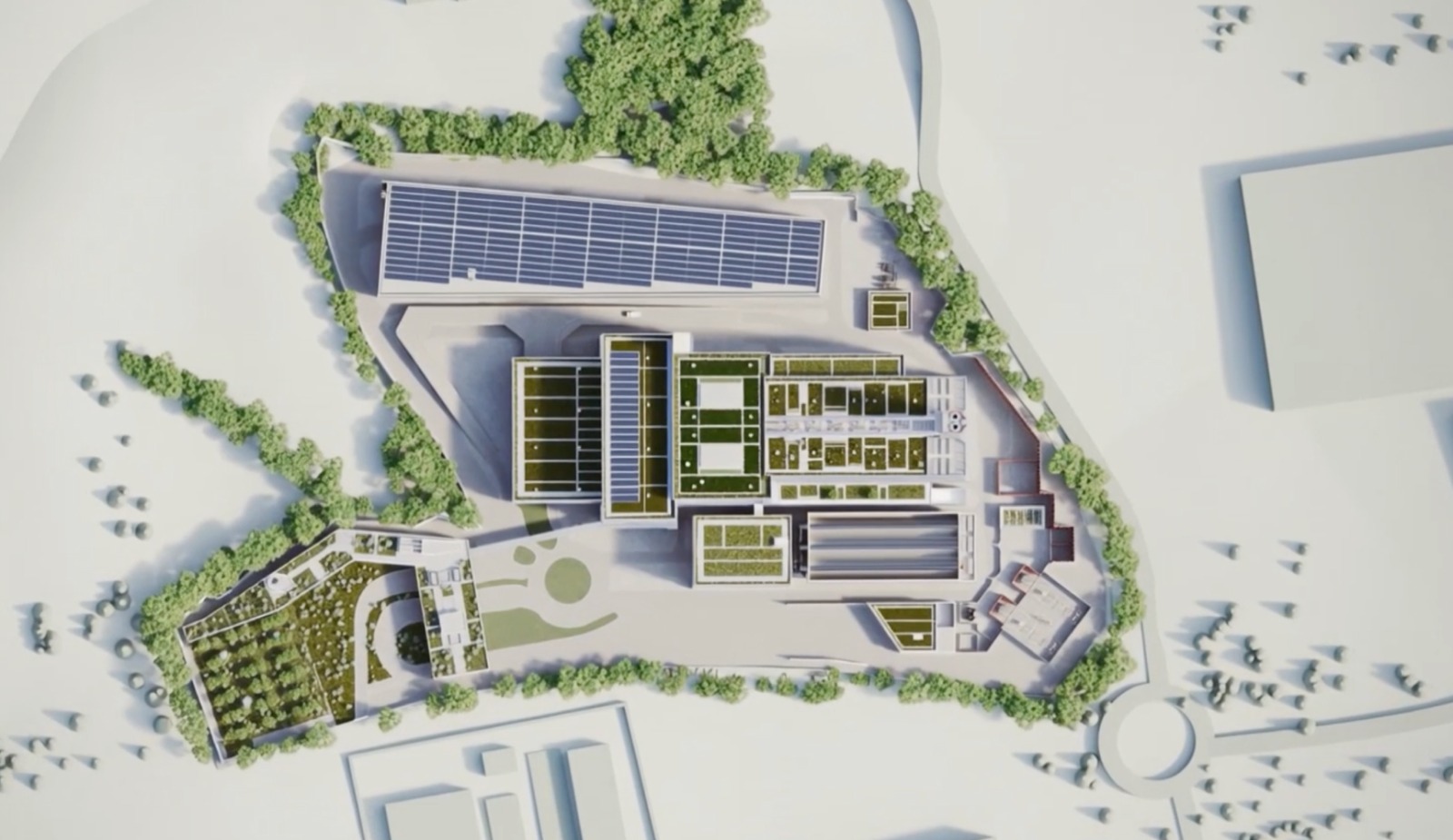
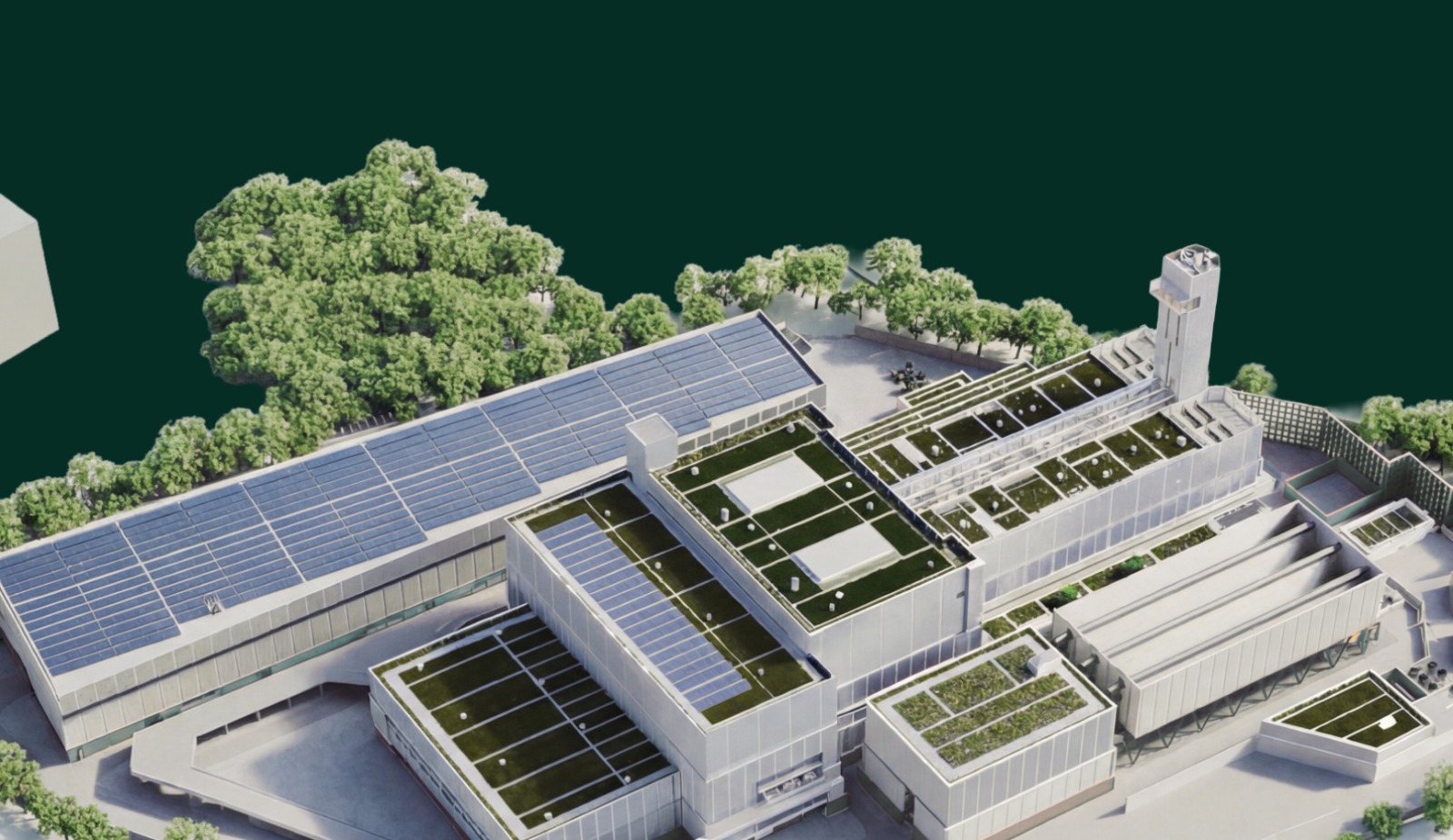
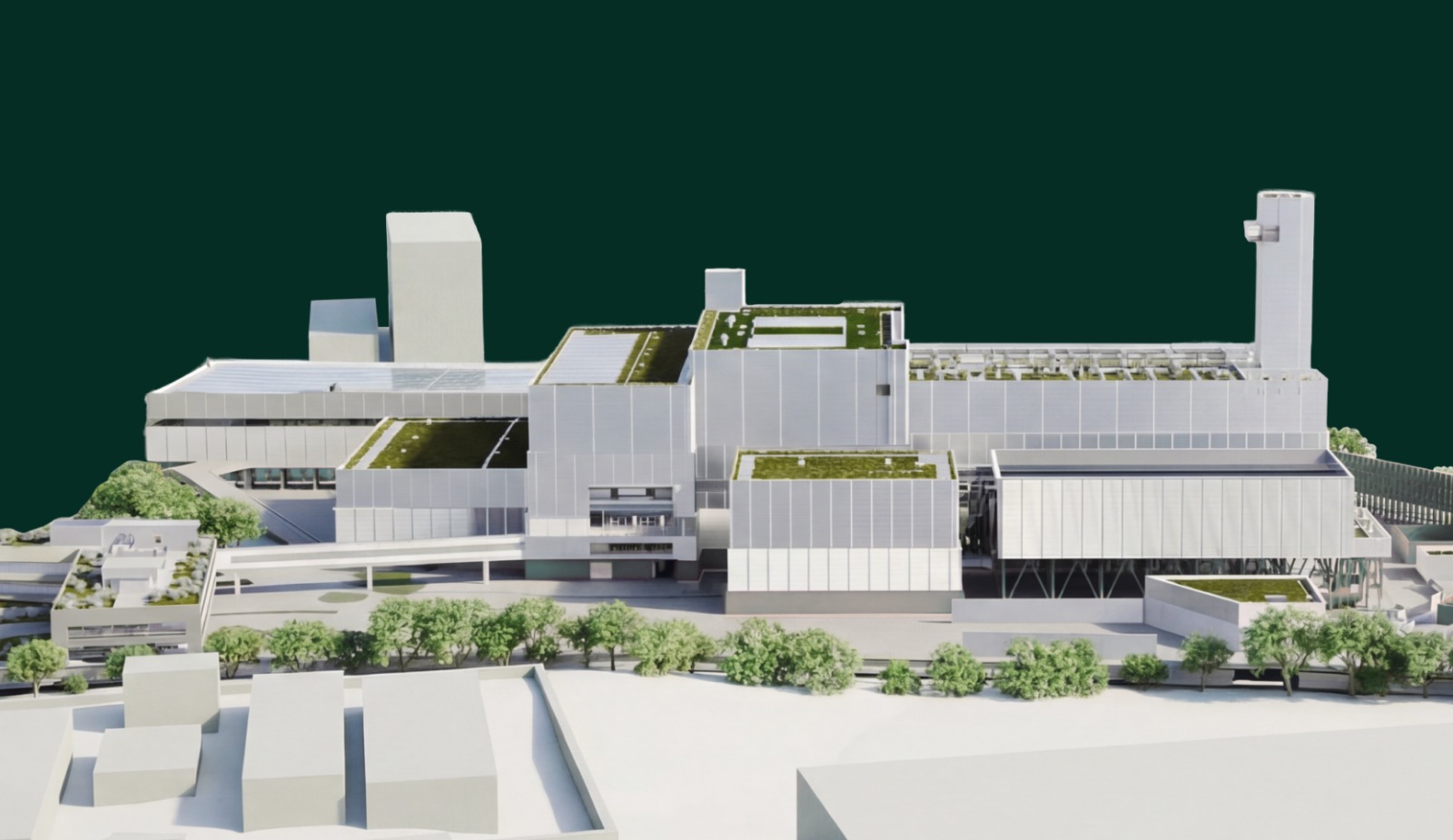
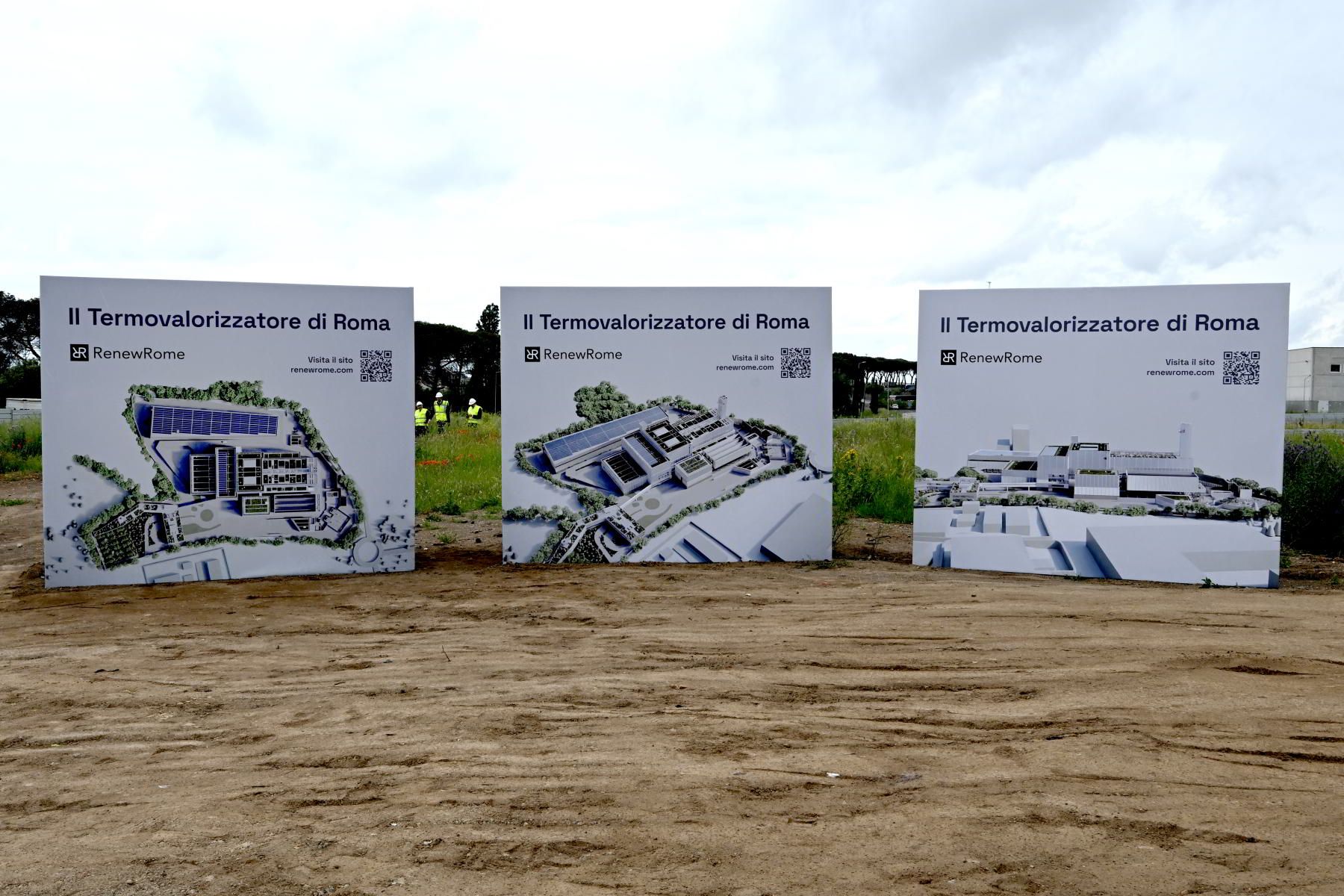
The project involves the construction of a new waste-to-energy plant for the city of Rome, an integrated facility covering approximately 100,000 m² that will house the various stages of the waste-to-energy process.
The infrastructure is part of the evolution of the capital’s waste management system, which aims to strengthen its autonomy and reduce reliance on landfill sites, in line with European environmental objectives. The waste-to-energy plant, included in the Waste Plan approved in 2023, which aims to achieve 70% separate collection, is designed to integrate functionally with the entire waste separation cycle, handling non-recoverable waste and contributing to a 10% reduction in landfill disposal, in line with the European target.
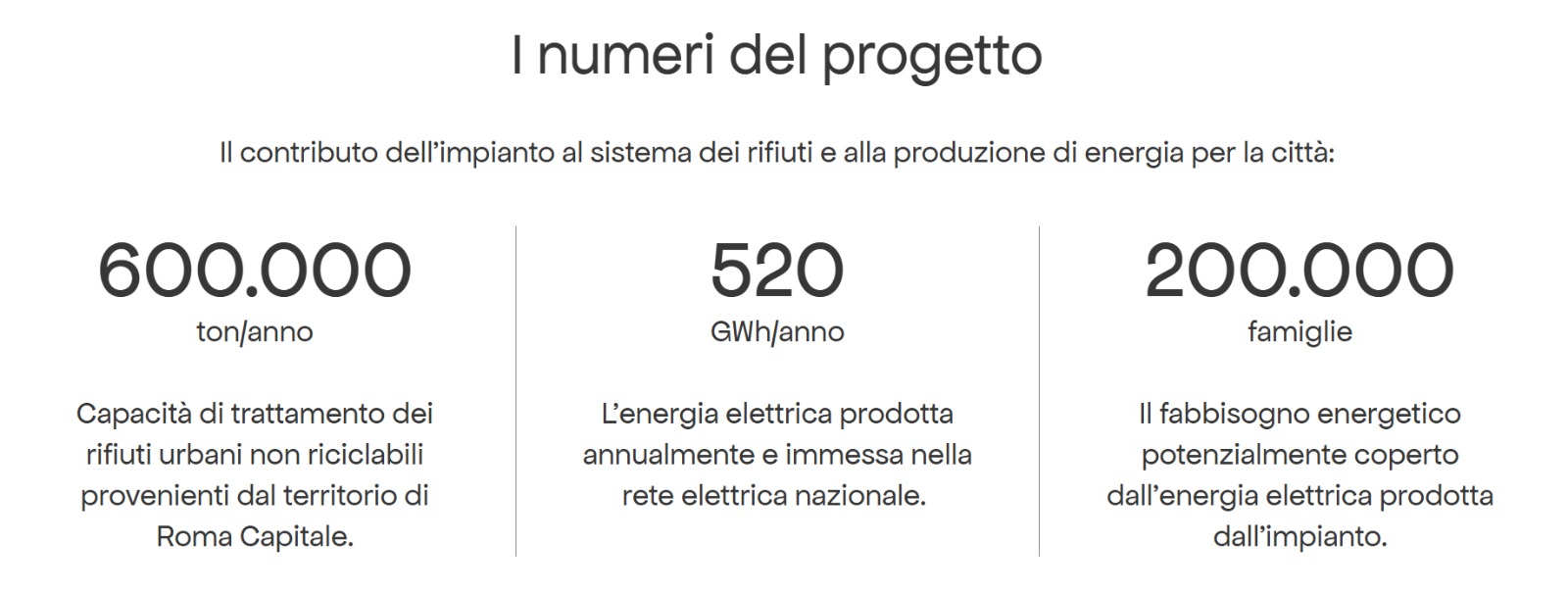
The first waste delivery is scheduled for September 2029, and the plant will be capable of processing 600,000 tonnes of unsorted and non-recyclable waste per year. Thanks to an investment of approximately €1 billion, the capital will finally have the certainty of disposal outlets at a lower cost than the current cost of transport within Italy or abroad.
Operation of the plant
The plant will be designed to process unsorted waste and non-recyclable materials in a controlled and safe manner, converting them into electricity fed into the grid and heat for the local community.
The waste-to-energy plant will produce thermal and electrical energy with a total capacity of 65 MW, sufficient to power around 200,000 households and enable the recovery of reusable materials for construction.
Waste will be transported to the plant via the railway line connected to the Santa Palomba intermodal hub, also during nighttime hours.
Technologies and environmental performance
The technologies employed, among the most advanced available, will ensure emissions well below the limits set by European directives and Best Available Techniques (BAT).
An advanced flue gas treatment system is planned, with CO2 emissions up to 80 times lower than those from landfill sites and dust levels 100 to 10,000 times lower than on a busy road in Rome.
The project has also been developed to minimise resort to external water supplies by recovering rainwater and reusing treated water from the Santa Maria in Fornarola treatment plant.
Project design procedures and phases
Following the award of the public bid published on 16 November 2023, RenewRome (a company formed by the consortium comprising Acea Ambiente, Suez Italy, Kanadevia Inova, Vianini Lavori, and RMB) was commissioned to design, construct, and operate the plant.
The project is governed by a 33-year concession contract, signed with Roma Capitale on 15 May 2025.
Environmental and health monitoring
Emissions and other environmental parameters – including soil, water, vegetation, and noise – will be monitored in accordance with the Environmental Monitoring Plan (Provvedimento Autorizzatorio Unico Regionale) approved under the PAUR (Regional Single Authorisation Scheme). Pre-construction surveys have already been carried out, and monitoring will continue throughout the construction and operational phases.
Continuous noise monitoring is planned during the construction phase, whilst for the operational phase, a Monitoring and Control Plan (Piano di Monitoraggio e Controllo) has been drawn up, integrated with the provisions of current legislation and the Integrated Environmental Authorisation (Autorizzazione Integrata Ambientale).
As part of the PAUR, the proposed Health Surveillance and Monitoring Plan, developed in collaboration with the Lazio Region, Roma Capitale, ARPA, DEP, ASL RM2, ASL RM6, and RenewRome, has also been approved.
Complementary works and land redevelopment
The project involves ensuring the safety of the Fosso della Cancelliera with a new route defined by hydraulic and hydrogeological studies approved by the relevant authorities.
Plans also include the creation of a Parco delle Risorse Circolari featuring research and co-working spaces, an experimental greenhouse, green spaces, and a viewing tower over 70 metres high.
The complex will also house a photovoltaic plant, a district heating network, an experimental CO2 capture system, and a plant to recover heavy ash.
Logistics and Mobility
To improve traffic flow in the area, a €31 million plan has been drawn up to reduce congestion in the southern part of the city.
The main works involve reclassifying Via di Porta Medaglia as a provincial road, upgrading the section of Via Ardeatina between the GRA and Via Falcognana, and improving the Pomezia–Santa Palomba route by upgrading the SP Cancelliera and Via di Valle Caia.
Project milestones
- May 2024 – Submission of the bid
The Temporary consortium of companies (Raggruppamento Temporaneo di Imprese - RTI) led by Acea Ambiente, together with Hitachi Zosen Inova AG (now Kanadevia Inova), Vianini Lavori, Suez Italy, and RMB, submits the technical and financial bid for the construction and operation of the Rome Waste-to-Energy Plant, in response to the public tender launched by Roma Capitale. - April 2025 – Establishment of RenewRome
RenewRome is established and tasked with building and operating the Rome waste-to-energy plant. - May 2025 – Award of the contract and signing of the concession agreement
RenewRome is awarded the contract for the concession of the plant complex, including design, the authorisation process, construction, operation, and management of the plant.
RenewRome and Roma Capitale sign a 33-year concession contract, which governs the construction and management of the plant. - January 2026 – Obtaining the PAUR
The project obtains the Single Regional Authorisation Measure (Provvedimento Autorizzatorio Unico Regionale), concluding the authorisation process and allowing the operational phases to begin. - 15 May 2026 – Start of construction
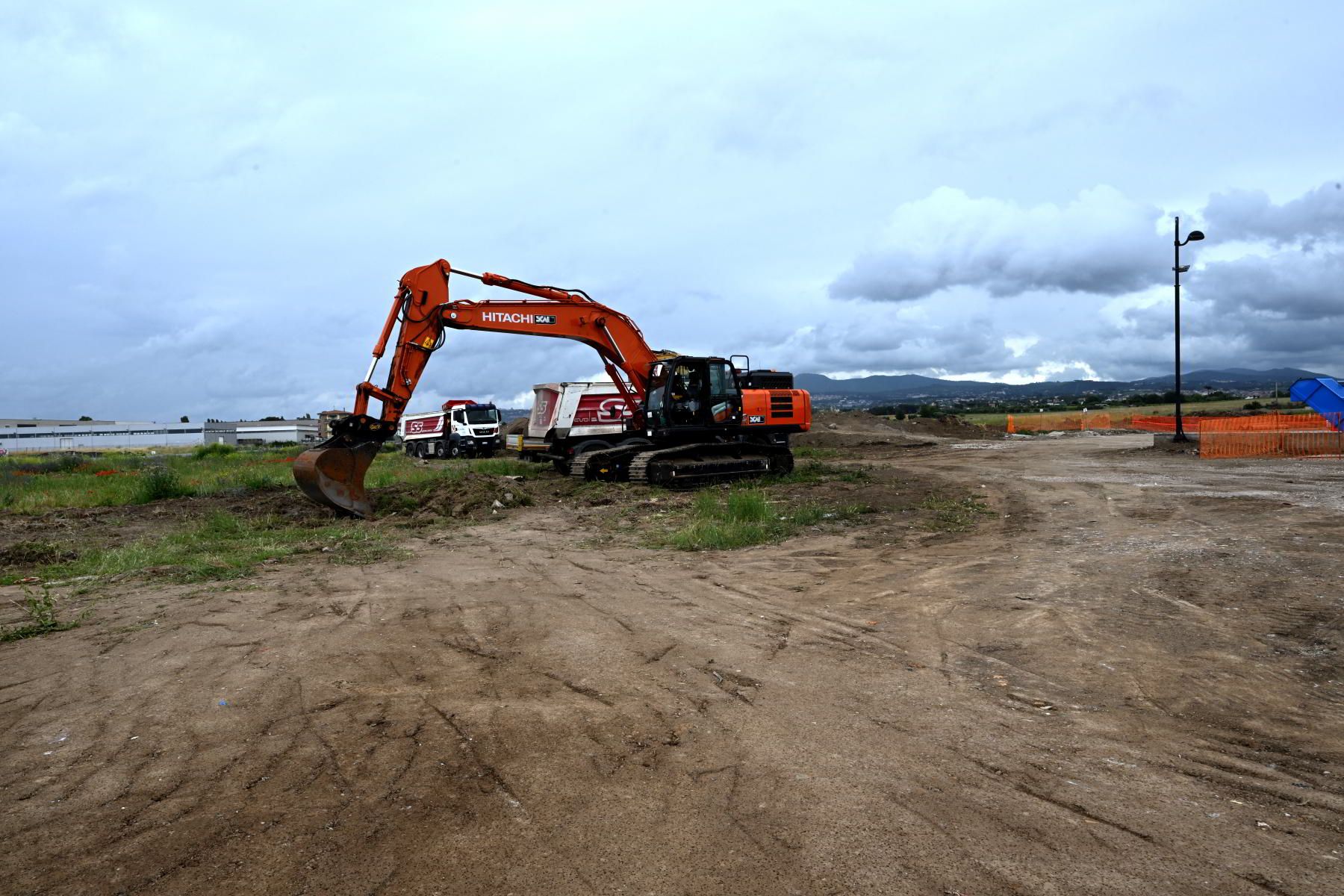
The construction phase of the plant complex begins in the Santa Palomba industrial area.
Status
Planning
Tender stage
Site
End of Work
Estimated completion date
Fourth Quarter 2029
Funding source
Private funding
Amount allocated
946.100.000,00 €